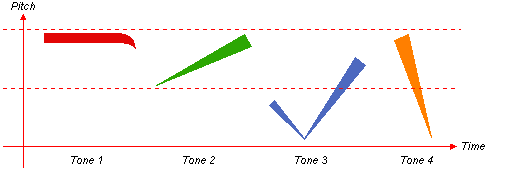
| 欠款 | qiàn kuǎn | to owe a debt / balance due / debts |  |
| 拖欠 | tuō qiàn | in arrears / behind in payments / to default on one's debts |  |
| 负债 | fù zhài | to be in debt / to incur debts / liability (finance) | |
| 陈年 | chén nián | (of wine) aged / (of debts etc) old / longstanding | |
| 逼债 | bī zhài | to press for payment of debts / to dun | |
| 报本反始 | bào běn fǎn shǐ | ensure that you pay debts of gratitude (idiom) | |
| 血债累累 | xuè zhài lěi lěi | debts of blood crying out for retribution | |
| 背债 | bēi zhài | to be in debt / to be saddled with debts | |
| 倒帐 | dǎo zhàng | dead loan / bad debts / to refuse to pay loan | |
| 报德 | bào dé | to repay debts of gratitude / to repay kindness | |
| 烂账 | làn zhàng | disorganized accounts / uncollectable debts / bad debt | |
| 躲年 | duǒ nián | to avoid going home for the Chinese New Year (for any of various reasons: because one finds the festivities onerous in some way, or because it would be seen as inauspicious for one to attend, or, in former times, to avoid creditors, since it was the custom to have debts settled before New Year's Day, and once into the New Year, debtors got a reprieve) | |
| 违恩负义 | wéi ēn fù yì | to disobey one's benefactor / to violate debts of gratitude / to repay good with evil | |
| 业满 | yè mǎn | to have paid one's karmic debts (Buddhism) | |