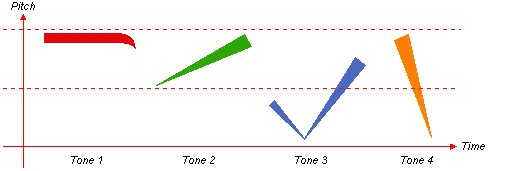
| 鬼故事 | guǐ gù shi | ghost story |  |
| 无缘无故 | wú yuán wú gù | no cause, no reason (idiom) / completely uncalled for |  |
| 童话故事 | tóng huà gù shì | fairy tale | |
| 意外事故 | yì wài shì gù | accident | |
| 事故处理 | | accident management | |
| 一见如故 | yī jiàn rú gù | familiarity at first sight | |
| 神话故事 | shén huà gù shi | mythical story / myth | |
| 明知故问 | míng zhī gù wèn | to ask a question, already knowing the answer | |
| 责任事故 | zé rèn shì gù | accident occurring due to negligence | |
| 民间故事 | mín jiān gù shi | folk story / folktale | |
| 人情世故 | rén qíng shì gù | worldly wisdom / the ways of the world / to know how to get on in the world | |
| 依然如故 | yī rán rú gù | back to where we were (idiom) / absolutely no improvement / Things haven't changed at all. | |
| 依然故我 | yī rán gù wǒ | to be one's old self (idiom) / to be unchanged / (derog.) to be stuck in one's ways | |
| 明知故犯 | míng zhī gù fàn | deliberate violation (idiom) / intentional crime | |
| 吐故纳新 | tǔ gù nà xīn | lit. to breathe out stale air and breathe in fresh (idiom, from Zhuangzi 莊子|庄子[Zhuang1 zi3]) / fig. to get rid of the old and bring in the new | |
| 老于世故 | lǎo yú shì gù | experienced in the ways of the world (idiom) / worldly-wise / sophisticated | |
| 不主故常 | bù zhǔ gù cháng | not to stick to the old conventions | |
| 非亲非故 | fēi qīn fēi gù | lit. neither a relative nor a friend (idiom) / fig. unrelated to one another in any way | |
| 革故鼎新 | gé gù dǐng xīn | to discard the old and introduce the new (idiom) / to innovate | |
| 狂奴故态 | kuáng nú gù tài | to be set in one's ways (idiom) | |
| 平白无故 | píng bái wú gù | (idiom) for no reason whatever / inexplicably | |
| 凭白无故 | píng bái wú gù | variant of 平白無故|平白无故[ping2 bai2 wu2 gu4] | |
| 羌无故实 | qiāng wú gù shí | to have no basis in fact (idiom) | |
| 人身事故 | rén shēn shì gù | accident causing injury or death | |
| 温故知新 | wēn gù zhī xīn | to review the old and know the new (idiom, from the Analects) / to recall the past to understand the future | |
| 一改故辙 | yī gǎi gù zhé | complete change from the old rut (idiom) / dramatic change of direction / a volte-face / to change old practices | |
| 欲擒故纵 | yù qín gù zòng | In order to capture, one must let loose. / to loosen the reins only to grasp them better | |
| 钻故纸堆 | zuān gù zhǐ duī | to dig into piles of outdated writings (idiom) / to study old books and papers | |
| 排雷事故 | | demining accident | |
| 地雷事故 | | mine accident | |
| 死亡事故 | | fatality | |
| 发火故障 | | misfire | |
| 污染事故 | | pollution incident | |
| 事故摘要 | | incident summary | |
| 不谙世故 | bù ān shì gù | unworldly / unsophisticated | |
| 不知何故 | bù zhī hé gù | somehow | |
| 沉船事故 | chén chuán shì gù | a shipwreck / a sinking | |
| 成语典故 | chéng yǔ diǎn gù | historical or literary anecdote that gives rise to a saying | |
| 单点故障 | dān diǎn gù zhàng | single point of failure | |
| 蹈常袭故 | dǎo cháng xí gù | follow the same old path (idiom) / stuck in a rut / always the same routine | |
| 公伤事故 | gōng shāng shì gù | industrial accident / work-related injury | |
| 环境事故 | huán jìng shì gù | environmental accident | |
| 技术故障 | jì shù gù zhàng | technical breakdown / malfunction | |
| 离开故乡 | lí kāi gù xiāng | to leave one's homeland | |
| 没亲没故 | méi qín méi gù | without relatives or friends | |
| 没亲没故 | méi qīn méi gù | without relatives or friends | |
| 明知故问 | míng zhī - gù wèn | (idiom) to ask a question, already knowing the answer | |
| 南京故宫 | nán jīng gù gōng | Ming | |
| 排查故障 | pái chá gù zhàng | to troubleshoot / to check components individually for problems / troubleshooting | |
| 攀亲道故 | pān qīn dào gù | (idiom) to use claims to kinship or friendship to climb socially | |
| 荣归故里 | róng guī gù lǐ | to return home with honor | |
| 三亲六故 | sān qīn liù gù | old friends and relatives | |
| 圣经典故 | shèng jīng diǎn gù | biblical classic | |
| 沈阳故宫 | Shěn yáng Gù gōng | Mukden Palace, aka Shenyang Imperial Palace, the main imperial palace during the early years of the Qing dynasty (1625-1644), a secondary palace in subsequent years, now a museum | |
| 事故报告 | shì gù bào gào | demining incident report / incident rep | |
| 事故照射 | shì gù zhào shè | accidental exposure | |
| 同乡亲故 | tóng xiāng qīn gù | fellow countryman (from the same village) / the folks back home | |
| 无缘无故 | wú yuán - wú gù | (idiom) no cause or reason / completely uncalled for | |
| 虚应故事 | xū yìng gù shì | to go through the motions | |
| 因﹍之故 | yīn zhī gù | inasmuch | |
| 仪器故障 | yí qì gù zhàng | instrument malfunction | |
| 依然如故 | yī rán - rú gù | (idiom) back to where we were / absolutely no improvement / things haven't changed at all | |
| 已作故人 | yǐ zuò gù rén | to have passed away | |
| 沾亲带故 | zhān qīn - dài gù | (idiom) to have some sort of connection (personal or familial etc) | |
| 枕边故事 | zhěn biān gù shi | bedtime story | |
| 他乡遇故知 | tā xiāng yù gù zhī | meeting an old friend in a foreign place (idiom) | |
| 事故性中毒 | | unintentional poisoning | |
| 无故障系统 | | fail-safe system | |
| 事故的报告 | | reporting of an incident | |
| 事故后审查 | | post-accident review | |
| 导爆索故障 | | detonating cord failure | |
| 放射性事故 | fàng shè xìng shì gù | radiation accident | |
| 核武器事故 | hé wǔ qì shì gù | nuclear weapon accident | |
| 温故而知新 | wēn gù ér zhī xīn | to review the old and know the new (idiom, from the Analects) / to recall the past to understand the future | |
| 无过失事故 | wú guò shī shì gù | no-fault incident | |
| 事故调查规则 | | Code of International Standards and Recommended Practices for a Safety Investigation into a Marine Casualty or Marine Incident / Casualty Investigation Code | |
| 海上事故协定 | | incidents at sea agreement | |
| 工业事故指令 | | Industrial Accident Directive / Seveso Directive | |
| 环境紧急事故 | huán jìng jǐn jí shì gù | environmental emergency | |
| 事故报告制度 | shì gù bào gào zhì duó | Incident Reporting System | |
| 事故保护停堆 | shì gù bǎo hù tíng duī | reactor trip / trip | |
| 无过失事故因数 | | no-fault incident factor | |
| 死亡和伤残事故 | | death and disability incident | |
| 好故事百听不厌 | hǎo gù shi bǎi tīng bù yàn | The story is so good it's worth hearing a hundred times. / One never tires of hearing good new. | |
| 计算机系统故障 | jì suàn jī xì tǒng gù zhàng | computer system failure | |
| 坎特伯雷故事集 | Kǎn tè bó lái Gù shì Jí | The Canterbury Tales, collection of stories by Geoffrey Chaucer 喬叟|乔叟[Qiao2 sou3] | |
| 坎特伯雷故事集 | Kǎn tè bó léi Gù shì Jí | The Canterbury Tales, collection of stories by Geoffrey Chaucer 喬叟|乔叟[Qiao2 sou3] | |
| 魔法风云会故事 | mó fǎ fēng yún huì gù shì | Magic: | |
| 工人事故赔偿公约 | | Convention concerning Workmen's Compensation for Accidents | |
| 明知故犯干扰司法 | | knowingly and wilfully interfere with the administration of justice | |
| 排雷事故反应计划 | | demining accident response plan | |
| 轻微事故调查单位 | | minor investigation element | |
| 防止地雷事故计划 | | Plan for the Prevention of Accidents from Mines | |
| 作事故的应变计划 | | planning for incidents | |
| 事故调查和预防科 | | Accident Investigation and Prevention Section | |
| 事故现场解除封闭 | | release (to) an incident site | |
| 重大故障修复计划 | | disaster recovery plan | |
| 飞机事故调查标准 | | Standards on Aircraft Accident Investigation | |
| 及早通报核事故公约 | | Convention on Early Notification of a Nuclear Accident | |
| 联合核事故协调中心 | lián hé hé shì gù xié diào zhōng xīn | Joint nuclear Accident Coordinating Center (JNACC) | |
| 海员防止职业事故公约 | | Convention concerning the Prevention of Occupational Accidents to Seafarers | |
| 防止重大工业事故公约 | | Convention on the Prevention of Major Industrial Accidents | |
| 防止海上事故多边协定 | | multilateral agreement for the prevention of incidents at sea | |
| 毛泽东·不为人知的故事 | | Mao Zedong, the unknown story by Jung Chang 張戎|张戎 / and Jon Halliday | |
| 毛泽东·鲜为人知的故事 | | Mao Zedong, the unknown story by Jung Chang 張戎|张戎 / and Jon Halliday | |
| 船舶事故和事件调查规则 | | Code for the Investigation of Marine Casualties and Incidents | |
| 事故后状况国际研究中心 | | Centre for International Research on Post-Accidents Conditions | |
| 瑞典民事灾难事故管理局 | | Swedish Civil Contingencies Agency | |
| 机构间核事故应急委员会 | | Inter-Agency Committee on Response to Nuclear Accidents | |
| 毛泽东:鲜为人知的故事 | Máo Zé dōng : Xiān wéi rén zhī de Gù shi | Mao: The Unknown Story by Jung Chang 張戎|张戎[Zhang1 Rong2] and Jon Halliday | |
| 毛泽东・不为人知的故事 | máo zé dōng · bù wéi rén zhī de gù shi | Mao Zedong, the unknown story by Jung Chang 張戎|张戎 / and Jon Halliday | |
| 毛泽东・鲜为人知的故事 | Máo Zé dōng · Xiān wéi rén zhī de Gù shi | Mao: The Unknown Story by Jung Chang 張戎|张戎 / and Jon Halliday | |
| 毛泽东·鲜为人知的故事 | Máo Zé dōng · Xiān wéi rén zhī de Gù shi | Mao: The Unknown Story by Jung Chang 張戎|张戎 / and Jon Halliday | |
| 国际干预公海油污事故公约 | | International Convention Relating to Intervention on the High Seas in Cases of Oil Pollution Casualties | |
| 公路交通事故法律适用公约 | | Convention on the Law Applicable to Traffic Accidents | |
| 国际核和辐射事故科技中心 | | International Scientific and Technological Centre for Nuclear and Radiological Accidents | |
| 工伤事故和职业病津贴公约 | | Convention concerning Benefits in the Case of Employment Injury | |
| 防止重大工业事故业务守则 | | Code of Practice on the Prevention of Major Industrial Accidents | |
| 北欧辐射事故紧急互助协定 | | Nordic Mutual Emergency Assistance Agreement in Connection with Radiation Accidents | |
| 漏油事故准备和反应全球倡议 | | Global Initiative for Oil Spill Preparedness and Response | |
| 世界应该更多倾听的十个故事 | | Ten Stories the World Should Hear More About | |
| 国际意外事故及交通医学协会 | | International Association for Accidents and Traffic Medicine | |
| 关于工业事故越境影响的公约 | | Convention on the Transboundary Effects of Industrial Accidents | |
| 核事故或辐射紧急情况援助公约 | | Convention on Assistance in the Case of a Nuclear Accident or Radiological Emergency / Assistance Convention | |
| 世界道路交通事故受害者纪念日 | shì jiè dào lù jiāo tòng shì gù shòu hài zhě jì niàn rì | World Day of Remembrance for Road Traffic Victims | |
| 促进环境技术和预防化学事故手册 | | Manual on the promotion of environmental technology and prevention of chemical accidents | |
| 纪念放射性事故和灾难受害者国际日 | | International Day Commemorating Victims of Radiation Accidents and Catastrophes | |
| 放射性物质运输事故应急规划和准备 | | Emergency Response Planning and Preparedness for Transport Accidents Involving Radioactive Material | |
| 预防道路交通事故研讨会和参观考察 | | Seminar-cum-Study Tour on Road Traffic Accident Prevention | |





 gù
gù