



"老" • Chinese-English Dictionary
| |||||||||||||||||||||||||||||||||||||
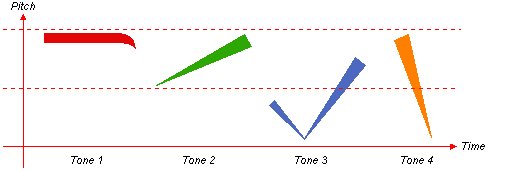
| 老 |  lǎo lǎo | prefix used before the surname of a person or a numeral indicating the order of birth of the children in a family or to indicate affection or familiarity / old (of people) / venerable (person) / experienced / of long standing / always / all the time / of the past / very / outdated / (of meat etc) tough |   | ||||||||||||||||||||||||||||||||||
Results beginning with 老 | |||||||||||||||||||||||||||||||||||||
| 老师 | lǎo shī | teacher / CL:個|个[ge4],位[wei4] | | ||||||||||||||||||||||||||||||||||
| 老板 | lǎo bǎn | boss / business proprietor / CL:個|个[ge4] | | ||||||||||||||||||||||||||||||||||
| 老婆 | lǎo pó | (coll.) wife | | ||||||||||||||||||||||||||||||||||
| 老人 | lǎo rén | old man or woman / the elderly / one's aged parents or grandparents | | ||||||||||||||||||||||||||||||||||
| 老大 | lǎo dà | old age / very / eldest child in a family / leader of a group / boss / captain of a boat / leader of a criminal gang | | ||||||||||||||||||||||||||||||||||
| 老公 | lǎo gong | (coll.) eunuch / see also 老公[lao3 gong1] | | ||||||||||||||||||||||||||||||||||
| 老公 | lǎo gōng | (coll.) husband | | ||||||||||||||||||||||||||||||||||
| 老鼠 | lǎo shǔ | rat / mouse / CL:隻|只[zhi1] | | ||||||||||||||||||||||||||||||||||
| 老头 | lǎo tóu | old fellow / old man / father / husband | | ||||||||||||||||||||||||||||||||||
| 老子 | lǎo zi | father / daddy / "I, your father" (in anger, or out of contempt) / I (used arrogantly or jocularly) | | ||||||||||||||||||||||||||||||||||
| 老子 | Lǎo zǐ | Laozi or Lao-tze (c. 500 BC), Chinese philosopher, the founder of Taoism / the sacred book of Daoism, 道德經|道德经[Dao4 de2 jing1] by Laozi | | ||||||||||||||||||||||||||||||||||
| 老是 | lǎo shi | always | | ||||||||||||||||||||||||||||||||||
| 老虎 | lǎo hǔ | tiger / CL:隻|只[zhi1] | | ||||||||||||||||||||||||||||||||||
| 老爸 | lǎo bà | father / dad | | ||||||||||||||||||||||||||||||||||
| 老太 | lǎo tài | old lady | | ||||||||||||||||||||||||||||||||||
| 老总 | lǎo zǒng | boss / sir (person with a leading role in an organization) / (after a surname) high ranking commander in the PLA / (Qing dynasty) high ranking government official / (old) courteous term used by the general populace in addressing a rank-and-file soldier or police officer | | ||||||||||||||||||||||||||||||||||
| 老实 | lǎo shi | honest / sincere / well-behaved / open and guileless / naive | | ||||||||||||||||||||||||||||||||||
| 老年 | lǎo nián | elderly / old age / autumn of one's years | | ||||||||||||||||||||||||||||||||||
| 老妈 | lǎo mā | mother / mom | | ||||||||||||||||||||||||||||||||||
| 老者 | lǎo zhě | old man / elderly man | | ||||||||||||||||||||||||||||||||||
| 老爷 | lǎo ye | (respectful) lord / master / (coll.) maternal grandfather | | ||||||||||||||||||||||||||||||||||
| 老天 | lǎo tiān | God / Heavens | | ||||||||||||||||||||||||||||||||||
| 老外 | lǎo wài | (coll.) foreigner (esp. non Asian person) / layman / amateur | | ||||||||||||||||||||||||||||||||||
| 老家 | lǎo jiā | native place / place of origin / home state or region | | ||||||||||||||||||||||||||||||||||
| 老化 | lǎo huà | to age (of person or object) / becoming old | | ||||||||||||||||||||||||||||||||||
| 老乡 | lǎo xiāng | fellow townsman / fellow villager / sb from the same hometown | | ||||||||||||||||||||||||||||||||||
| 老兄 | lǎo xiōng | elder brother (often used self-referentially) / (form of address between male friends) old chap / buddy | | ||||||||||||||||||||||||||||||||||
| 老二 | lǎo èr | second-eldest child in a family / (euphemism) penis | | ||||||||||||||||||||||||||||||||||
| 老歌 | lǎo gē | oldie (song) | | ||||||||||||||||||||||||||||||||||
| 老弟 | lǎo dì | (affectionate form of address for a male who is not very much younger than oneself) my boy / old pal | | ||||||||||||||||||||||||||||||||||
| 老将 | lǎo jiàng | lit. old general / commander-in-chief 將帥|将帅, the equivalent of king in Chinese chess / fig. old-timer / veteran | | ||||||||||||||||||||||||||||||||||
| 老爹 | lǎo diē | (dialect) father / old man / sir | | ||||||||||||||||||||||||||||||||||
| 老兵 | lǎo bīng | veteran | | ||||||||||||||||||||||||||||||||||
| 老汉 | lǎo hàn | old man / I (an old man referring to himself) | | ||||||||||||||||||||||||||||||||||
| 老牌 | lǎo pái | old, well-known brand / old style / old school / an old hand / experienced veteran | | ||||||||||||||||||||||||||||||||||
| 老少 | lǎo shào | the old and the young | | ||||||||||||||||||||||||||||||||||
| 老远 | lǎo yuǎn | very far away | | ||||||||||||||||||||||||||||||||||
| 老友 | lǎo yǒu | old friend / sb who passed the county level imperial exam (in Ming dynasty) | | ||||||||||||||||||||||||||||||||||
| 老鹰 | lǎo yīng | (coll.) eagle / hawk / any similar bird of prey | | ||||||||||||||||||||||||||||||||||
| 老式 | lǎo shì | old-fashioned / old type / outdated | | ||||||||||||||||||||||||||||||||||
| 老伯 | lǎo bó | uncle (polite form of address for older male) | | ||||||||||||||||||||||||||||||||||
| 老伴 | lǎo bàn | (of an elderly couple) husband or wife | | ||||||||||||||||||||||||||||||||||
| 老娘 | lǎo niáng | my old mother / I, this old woman / my old lady (colloquial) / maternal grandmother / midwife | | ||||||||||||||||||||||||||||||||||
| 老手 | lǎo shǒu | experienced person / an old hand at sth | | ||||||||||||||||||||||||||||||||||
| 老练 | lǎo liàn | seasoned / experienced | | ||||||||||||||||||||||||||||||||||
| 老套 | lǎo tào | hackneyed / well-worn (phrase etc) / same old story / stereotypical fashion | | ||||||||||||||||||||||||||||||||||
| 老街 | Lǎo jiē | Lao Cai, Vietnam / Laokai or Laukkai, Burma (Myanmar) | | ||||||||||||||||||||||||||||||||||
| 老儿 | lǎo ér | father / husband / old man | | ||||||||||||||||||||||||||||||||||
| 老翁 | lǎo wēng | old man | | ||||||||||||||||||||||||||||||||||
| 老小 | lǎo xiǎo | the old and the young / the youngest member of the family | | ||||||||||||||||||||||||||||||||||
| 老旧 | lǎo jiù | outmoded / old-fashioned | | ||||||||||||||||||||||||||||||||||
| 老君 | Lǎo jūn | Laozi or Lao-tze (c. 500 BC), Chinese philosopher, the founder of Taoism / the sacred book of Daoism, 道德經|道德经[Dao4 de2 jing1] by Laozi | | ||||||||||||||||||||||||||||||||||
| 老脸 | lǎo liǎn | self-respect of old person / face / thick-skinned (i.e. impervious to criticism) / brazen | | ||||||||||||||||||||||||||||||||||
| 老早 | lǎo zǎo | a long time ago | | ||||||||||||||||||||||||||||||||||
| 老父 | lǎo fù | father / old man / venerable sir | | ||||||||||||||||||||||||||||||||||
| 老路 | lǎo lù | old road / familiar way / beaten track / conventional behavior | | ||||||||||||||||||||||||||||||||||
| 老挝 | Lǎo wō | Laos | | ||||||||||||||||||||||||||||||||||
| 老龄 | lǎo líng | old age / aging / aged / geriatric / the aged | | ||||||||||||||||||||||||||||||||||
| 老酒 | lǎo jiǔ | wine, esp. Shaoxing wine | | ||||||||||||||||||||||||||||||||||
| 老丈 | lǎo zhàng | sir (respectful form of address for an old man) | | ||||||||||||||||||||||||||||||||||
| 老成 | lǎo chéng | mature / experienced / sophisticated | | ||||||||||||||||||||||||||||||||||
| 老到 | lǎo dao | experienced and careful | | ||||||||||||||||||||||||||||||||||
| 老鸨 | lǎo bǎo | female brothel keeper | | ||||||||||||||||||||||||||||||||||
| 老妪 | lǎo yù | old woman (formal writing) | | ||||||||||||||||||||||||||||||||||
| 老生 | lǎo shēng | venerable middle-aged or elderly man, usually wearing an artificial beard (in Chinese opera) | | ||||||||||||||||||||||||||||||||||
| 老庄 | Lǎo Zhuāng | Laozi and Zhuangzi (or Lao-tze and Chuang-tze), the founders of Daoism | | ||||||||||||||||||||||||||||||||||
| 老花 | lǎo huā | presbyopia | | ||||||||||||||||||||||||||||||||||
| 老迈 | lǎo mài | aged / senile | | ||||||||||||||||||||||||||||||||||
| 老老 | lǎo lao | maternal grandmother / same as 姥姥 | | ||||||||||||||||||||||||||||||||||
| 老本 | lǎo běn | capital / assets / savings / nest egg / (fig.) reputation / laurels (to rest upon) / old edition of a book / (tree) trunk | | ||||||||||||||||||||||||||||||||||
| 老茧 | lǎo jiǎn | callus (patch or hardened skin) / corns (on feet) / also 老趼 | | ||||||||||||||||||||||||||||||||||
| 老几 | lǎo jǐ | where in the order of seniority among siblings? / (sometimes used in rhetorical questions to express disparagement) | | ||||||||||||||||||||||||||||||||||
| 老赖 | lǎo lài | (coll.) debt dodger | | ||||||||||||||||||||||||||||||||||
| 老态 | lǎo tài | old and frail / decrepit / doddering / decrepitude / infirmities of old age | | ||||||||||||||||||||||||||||||||||
| 老辣 | lǎo là | shrewd and ruthless / efficient and unscrupulous | | ||||||||||||||||||||||||||||||||||
| 老叟 | lǎo sǒu | old man | | ||||||||||||||||||||||||||||||||||
| 老客 | lǎo kè | peddler / old or regular customer | | ||||||||||||||||||||||||||||||||||
| 老么 | lǎo yāo | youngest | | ||||||||||||||||||||||||||||||||||
| 老幺 | lǎo yāo | youngest | | ||||||||||||||||||||||||||||||||||
| 老辈 | lǎo bèi | the older generation / ancestors | | ||||||||||||||||||||||||||||||||||
| 老饕 | lǎo tāo | glutton | | ||||||||||||||||||||||||||||||||||
| 老旦 | lǎo dàn | old woman role in Chinese opera | | ||||||||||||||||||||||||||||||||||
| 老鸹 | lǎo guā | a crow | | ||||||||||||||||||||||||||||||||||
| 老边 | Lǎo biān | Laobian district of Yingkou City 營口市|营口市, Liaoning | | ||||||||||||||||||||||||||||||||||
| 老冰 | lǎo bīng | old ice | | ||||||||||||||||||||||||||||||||||
| 老城 | lǎo chéng | old town / old district of a city | | ||||||||||||||||||||||||||||||||||
| 老抽 | lǎo chōu | dark soy sauce | | ||||||||||||||||||||||||||||||||||
| 老粗 | lǎo cū | uneducated person / yokel / boor / roughneck | | ||||||||||||||||||||||||||||||||||
| 老聃 | Lǎo Dān | another name for Laozi 老子[Lao3 zi3] | | ||||||||||||||||||||||||||||||||||
| 老等 | lǎo děng | to wait patiently / heron | | ||||||||||||||||||||||||||||||||||
| 老雕 | lǎo diāo | vulture | | ||||||||||||||||||||||||||||||||||
| 老夫 | lǎo fū | I (spoken by an old man) | | ||||||||||||||||||||||||||||||||||
| 老梗 | lǎo gěng | (Tw) unoriginal / hackneyed / (of a joke) old | | ||||||||||||||||||||||||||||||||||
| 老黑 | lǎo hēi | (coll.) black person | | ||||||||||||||||||||||||||||||||||
| 老骥 | lǎo jì | old thoroughbred / fig. aged person with great aspirations | | ||||||||||||||||||||||||||||||||||
| 老趼 | lǎo jiǎn | callus (patch or hardened skin) / corns (on feet) | | ||||||||||||||||||||||||||||||||||
| 老境 | lǎo jìng | advanced years / old age | | ||||||||||||||||||||||||||||||||||
| 老抠 | lǎo kōu | penny-pincher / miser | | ||||||||||||||||||||||||||||||||||
| 老了 | lǎo le | getting old | | ||||||||||||||||||||||||||||||||||
| 老例 | lǎo lì | custom / customary practice | | ||||||||||||||||||||||||||||||||||
| 老耄 | lǎo mào | dim sight of the aged / doddering / senile | | ||||||||||||||||||||||||||||||||||
| 老美 | Lǎo Měi | (coll.) an American / person from the United States | | ||||||||||||||||||||||||||||||||||
| 老墨 | Lǎo Mò | (coll.) a Mexican | | ||||||||||||||||||||||||||||||||||
| 老姥 | lǎo mǔ | old lady / (old woman's self-reference) I, me | | ||||||||||||||||||||||||||||||||||
| 老鸟 | lǎo niǎo | old hand / veteran | | ||||||||||||||||||||||||||||||||||
| 老派 | lǎo pài | old-fashioned / old-school | | ||||||||||||||||||||||||||||||||||
| 老谱 | lǎo pǔ | old ways / old habit | | ||||||||||||||||||||||||||||||||||
| 老千 | lǎo qiān | cheat / swindler (in gambling) | | ||||||||||||||||||||||||||||||||||
| 老舍 | Lǎo Shě | Lao She (1899-1966), Chinese novelist and dramatist | | ||||||||||||||||||||||||||||||||||
| 老视 | lǎo shì | presbyopia | | ||||||||||||||||||||||||||||||||||
| 老铁 | lǎo tiě | (slang) very close friend / bro | | ||||||||||||||||||||||||||||||||||
| 老账 | lǎo zhàng | lit. old account / old debt / fig. old scores to settle / old quarrels / old grudge | | ||||||||||||||||||||||||||||||||||
| 老拙 | lǎo zhuō | old fart (usually in self-reference) / geezer | | ||||||||||||||||||||||||||||||||||
» MORE
| 老百姓 | lǎo bǎi xìng | ordinary people / the "person in the street" / CL:個|个[ge4] | |
| 老人家 | lǎo rén jiā | polite term for old woman or man | |
| 老年人 | lǎo nián rén | old people / the elderly | |
| 老太太 | lǎo tài tai | elderly lady (respectful) / esteemed mother / CL:位[wei4] | |
| 老头子 | lǎo tóu zi | (coll.) old man / (said of an aging husband) my old man | |
| 老板娘 | lǎo bǎn niáng | female proprietor / lady boss / boss's wife | |
| 老实说 | lǎo shí shuō | honestly speaking / to be frank, ... | |
| 老爷子 | lǎo yé zi | my (you etc) old father / polite appellation for an elderly male | |
| 老天爷 | lǎo tiān yé | God / Heavens | |
| 老家伙 | lǎo jiā huo | (coll.) old fellow / old codger | |
| 老虎机 | lǎo hǔ jī | slot machine | |
| 老太婆 | lǎo tài pó | old woman (at times contemptuous) | |
| 老字号 | lǎo zì hào | shop, firm, or brand of merchandise with a long-established reputation | |
| 老头儿 | lǎo tóu r | see 老頭子|老头子[lao3 tou2 zi5] | |
| 老一辈 | lǎo yī bèi | previous generation / older generation | |
| 老妇人 | lǎo fù rén | old lady | |
| 老狐狸 | lǎo hú li | old fox / fig. cunning person | |
| 老爷爷 | lǎo yé ye | (coll.) father's father's father / paternal great-grandfather | |
| 老奶奶 | lǎo nǎi nai | (coll.) father's father's mother / paternal great-grandmother / respectful form of address for an old woman | |
| 老样子 | lǎo yàng zi | old situation / things as they were | |
| 老半天 | lǎo bàn tiān | (coll.) a long time | |
| 老龄化 | lǎo líng huà | aging (population) | |
| 老不死 | lǎo bù sǐ | (derog.) old but still alive / old fart / old bastard | |
| 老大爷 | lǎo dà yé | uncle / grandpa / CL:位[wei4] | |
| 老大哥 | lǎo dà gē | big brother | |
| 老江湖 | lǎo jiāng hú | a much-travelled person, well acquainted with the ways of the world | |
| 老毛病 | lǎo máo bìng | chronic illness / old weakness / chronic problem | |
| 老太爷 | lǎo tài yé | elderly gentleman (respectful) / esteemed father | |
| 老掉牙 | lǎo diào yá | very old / obsolete / out of date | |
| 老公公 | lǎo gōng gong | old man / husband's father / father-in-law / court eunuch | |
| 老爷车 | lǎo ye chē | classic car | |
| 老处女 | lǎo chǔ nu:3 | unmarried old woman / spinster | |
| 老糊涂 | lǎo hú tu | dotard | |
| 老好人 | lǎo hǎo rén | one who tries never to offend anybody | |
| 老妈子 | lǎo mā zi | older female servant / amah | |
| 老资格 | lǎo zī gé | veteran | |
| 老花镜 | lǎo huā jìng | presbyopic glasses | |
Approximate Results for 老 | ||||
| 长老 | zhǎng lǎo | elder / term of respect for a Buddhist monk | | |
| 古老 | gǔ lǎo | ancient / old / age-old | | |
| 养老 | yǎng lǎo | to provide for the elderly (family members) / to enjoy a life in retirement | | |
| 元老 | yuán lǎo | senior figure / elder / doyen | | |
| 衰老 | shuāi lǎo | to age / to deteriorate with age / old and weak | | |
| 年老 | nián lǎo | aged | | |
| 苍老 | cāng lǎo | old / aged / (of calligraphy or painting) vigorous / forceful | | |
| 变老 | biàn lǎo | to grow old / to age / aging | | |
| 父老 | fù lǎo | elders | | |
| 二老 | èr lǎo | mother and father / parents | | |
| 法老 | fǎ lǎo | pharaoh (loanword) | | |
| 偕老 | xié lǎo | to grow old together | | |
| 月老 | yuè lǎo | matchmaker / go-between / same as 月下老人[yue4 xia4 lao3 ren2] | | |
| 终老 | zhōng lǎo | to spend one's last years | | |
| 敬老 | jìng lǎo | respect for the aged | | |
| 尊老 | zūn lǎo | respect the aged | | |
| 孤老 | gū lǎo | solitary old man or woman / regular patron (at brothels) | | |
| 垂老 | chuí lǎo | approaching old age | | |
| 遗老 | yí lǎo | old fogy / adherent of previous dynasty | | |
| 艾老 | ài lǎo | (literary) person aged over fifty / elderly person | | |
| 八老 | Bā lǎo | "the Eight Great Eminent Officials" of the CCP, abbr. for 八大元老[Ba1 Da4 Yuan2 lao3] | | |
| 赤老 | chì lǎo | variant of 赤佬[chi4 lao3] | | |
| 服老 | fú lǎo | to admit to one's advancing years / to acquiesce to old age | | |
| 家老 | jiā lǎo | (old) a senior in one's household | | |
| 啃老 | kěn lǎo | (coll.) to live with and depend on one's parents even upon reaching adulthood | | |
| 阔老 | kuò lǎo | variant of 闊佬|阔佬[kuo4 lao3] | | |
| 颓老 | tuí lǎo | old and decrepit / senile | | |
| 显老 | xiǎn lǎo | to look old | | |
| 阎老 | Yán lǎo | Yama | | |
| 庄老 | Zhuāng Lǎo | Zhuangzi and Laozi, the Daoist masters | | |
» MORE
| Tony老师 | t o n y lǎo shī | (slang) hairdresser | |
| 养老金 | yǎng lǎo jīn | pension | |
| 回老家 | huí lǎo jiā | to go back to one's roots / to return to one's native place / by ext. to join one's ancestors (i.e. to die) | |
| 中老年 | zhōng lǎo nián | middle and old age | |
| 米老鼠 | Mǐ Lǎo shǔ | Mickey Mouse | |
| 百老汇 | Bǎi lǎo huì | Broadway (New York City) | |
| 敬老院 | jìng lǎo yuàn | home of respect for aged / nursing home | |
| 母老虎 | mǔ lǎo hǔ | tigress / (fig.) fierce woman / vixen | |
| 纸老虎 | zhǐ lǎo hǔ | paper tiger | |
| 小老婆 | xiǎo lǎo pó | concubine / mistress / (dialect) woman | |
| 怕老婆 | pà lǎo pó | henpecked / to be under one's wife's thumb | |
| 养老院 | yǎng lǎo yuàn | nursing home | |
| 长老会 | Zhǎng lǎo huì | Presbyterianism | |
| 元老院 | yuán lǎo yuàn | upper house / senate / senior statesmen's assembly | |
| 大老粗 | dà lǎo cū | uncouth fellow / rustic | |
| 王老吉 | Wáng lǎo jí | Wanglaoji (beverage brand) | |
| 秋老虎 | qiū lǎo hǔ | hot spell during autumn / Indian summer | |
| 啃老族 | kěn lǎo zú | (coll.) adults still living with and depending on their parents | |
| 地老虎 | cutworm | | |
| 哥老会 | Gē lǎo huì | late-Qing underground resistance movement against the Qing dynasty | |
| 臭老九 | chòu lǎo jiǔ | stinking intellectual (contemptuous term for educated people during the Cultural Revolution) | |
| 船老大 | chuán lǎo dà | coxswain / steersman / boatswain (bo'sun) | |
| 出老千 | chū lǎo qiān | to cheat (in gambling) | |
| 大老婆 | dà lǎo pó | primary wife | |
| 大老远 | dà lǎo yuǎn | very far away | |
| 翻老账 | fān lǎo zhàng | to turn over old accounts / fig. to revive old quarrels / to reopen old wounds | |
| 官老爷 | guān lǎo ye | nickname for official | |
| 古老肉 | gǔ lǎo ròu | sweet and sour pork / also written 咕嚕肉|咕噜肉[gu1 lu1 rou4] | |
| 护老者 | hù lǎo zhě | carer of elderly persons / aged care worker | |
| 敬老席 | jìng lǎo xí | priority seating for the aged (on buses etc) | |
| 水老鴉 | shuǐ lǎo yā | common name for cormorant | |
| 水老鸦 | shuǐ lǎo yā | common name for cormorant | |
| 算老几 | suàn lǎo jǐ | just who do (you) think (you) are? (or "just who does (she) think (she) is?" etc) | |
| 唐老鸭 | Táng Lǎo yā | Donald Duck | |
| 天老儿 | tiān lǎo r | albino (human) | |
| 天老爷 | tiān lǎo ye | see 老天爺|老天爷[lao3 tian1 ye2] | |
| 土老帽 | tǔ lǎo mào | hillbilly / yokel / redneck / bumpkin | |
| 托老所 | tuō lǎo suǒ | senior center | |
| 王老五 | wáng lǎo wǔ | lit. fifth child of the Wangs / bachelor | |
| 小老鼠 | xiǎo lǎo shǔ | @ / at symbol | |
| 早老素 | zǎo lǎo sù | presenilins | |
| 长老院 | zhǎng lǎo yuàn | Meshrano Jirga / House of Elders | |
| 养老保险 | yǎng lǎo bǎo xiǎn | old-age insurance | |
| 圣诞老人 | Shèng dàn Lǎo rén | Father Christmas / Santa Claus | |
| 语文老师 | yǔ wén lǎo shī | language and literature teacher | |
| 长生不老 | cháng shēng bù lǎo | immortality | |
| 生老病死 | shēng lǎo bìng sǐ | lit. to be born, to grow old, to get sick and to die / fig. the fate of humankind (i.e. mortality) | |
| 白头偕老 | bái tóu xié lǎo | (to live together until the) white hairs of old age (idiom) / to live to a ripe old age in conjugal bliss / until death do us part | |
| 未老先衰 | wèi lǎo xiān shuāi | to age prematurely | |
| 扶老携幼 | fú lǎo xié yòu | taking everyone along, young and old / to look after the elderly and the young | |
| 少年老成 | shào nián lǎo chéng | accomplished though young / lacking youthful vigor | |
| 月下老人 | yuè xià lǎo rén | minor divinity concerned with marriage / matchmaker / go-between | |
| 宝刀未老 | bǎo dāo wèi lǎo | treasure knife does not age (idiom) / old but still vigorous | |
| 半老徐娘 | bàn lǎo xú niáng | middle-aged but still attractive woman / lady of a certain age | |
| 宝刀不老 | bǎo dāo bù lǎo | lit. a good sword always remains sharp (idiom) / fig. (of one's skills etc) to be as good as ever / the old man still has it | |
| 识途老马 | shí tú lǎo mǎ | lit. an old horse knows the way home (idiom) / fig. in difficulty, trust an experience colleague | |
| 白头到老 | bái tóu dào lǎo | (to live together until the) white hairs of old age (idiom) / to live to a ripe old age in conjugal bliss / until death do us part | |
| 饱以老拳 | bǎo yǐ lǎo quán | to thump repeatedly with one's fist | |
| 波澜老成 | bō lán lǎo chéng | splendid and powerful (of story) / majestic / awesome | |
| 地老天荒 | dì lǎo tiān huāng | see 天荒地老[tian1 huang1 di4 lao3] | |
| 返老还童 | fǎn lǎo huán tóng | to recover one's youthful vigor / to feel rejuvenated (idiom) | |
| 狗逮老鼠 | gǒu dǎi lǎo shǔ | lit. a dog who catches mice (idiom) / fig. to be meddlesome | |
| 过街老鼠 | guò jiē lǎo shǔ | sb or sth detested by all / target of scorn / anathema / cf. 老鼠過街,人人喊打|老鼠过街,人人喊打[lao3 shu3 guo4 jie1 , ren2 ren2 han3 da3] | |
| 敬老尊贤 | jìng lǎo zūn xián | to respect the wise and venerate the worthy (idiom) / to honor the great and the good | |
| 七老八十 | qī lǎo bā shí | in one's seventies (age) / very old (of people) | |
| 人老珠黄 | rén lǎo zhū huáng | (of a woman) old and faded | |
| 天荒地老 | tiān huāng dì lǎo | until the end of time (idiom) | |
| 徐娘半老 | xú niáng bàn lǎo | middle-aged but still attractive woman / lady of a certain age | |
| 养老送终 | yǎng lǎo sòng zhōng | to look after one's aged parents and arrange proper burial after they die | |
| 长老大会 | General Fono | | |
| 妓院老板 | pimp | | |
| 村长老会 | Taupulega | | |
| 爱老虎你 | ài lǎo hǔ nǐ | I love you (jocular transliteration from English) | |
| 八大元老 | Bā Dà Yuán lǎo | "the Eight Great Eminent Officials" of the CCP, namely 鄧小平|邓小平[Deng4 Xiao3 ping2], 陳雲|陈云[Chen2 Yun2], 李先念[Li3 Xian1 nian4], 彭真[Peng2 Zhen1], 楊尚昆|杨尚昆[Yang2 Shang4 kun1], 薄一波[Bo2 Yi1 bo1], 王震[Wang2 Zhen4], and 宋任窮|宋任穷[Song4 Ren4 qiong2] / abbr. to 八老[Ba1 lao3] | |
| 百岁老人 | bǎi suì lǎo rén | centenarian | |
| 白头谐老 | bái tóu xié lǎo | live to ripe old age in conjugal bliss / remain a devoted couple to the end of their lives | |
| 八旬老太 | bā xún lǎo tài | eighty year old lady | |
| 苍蝇老虎 | cāng ying lǎo hǔ | (coll.) jumping spider | |
| 大体老师 | dà tǐ lǎo shī | cadaver for dissection in training medical students | |
| 翻老皇历 | fān lǎo huáng lì | to look to the past for guidance (idiom) | |
| 隔壁老王 | gé bì Lǎo Wáng | Mr Wang from next door (term used jocularly to refer to a neighbor who is supposedly sleeping with one's wife) | |
| 九旬老人 | jiǔ xún lǎo rén | nonagenarian | |
| 空心老大 | kōng xīn lǎo dà | pretentious and vacuous person | |
| 龙头老大 | lóng tóu lǎo dà | big boss / leader of a group / dominant (position) | |
| 漫谈老年 | màn tán lǎo nián | "initiative on age" | |
| 猫哭老鼠 | māo kū lǎo shǔ | the cat weeps for the dead mouse (idiom) / hypocritical pretence of condolence / crocodile tears | |
| 棉兰老岛 | Mián lán lǎo Dǎo | Mindanao (island in the Philippines) | |
| 米奇老鼠 | Mǐ qí Lǎo shǔ | Mickey Mouse | |
| 木讷老人 | mù nè lǎo rén | ungraduated ruler / straight edge | |
| 男女老少 | nán nu:3 lǎo shào | men, women, young and old / all kinds of people / people of all ages | |
| 男女老幼 | nán nu:3 lǎo yòu | men, women, young and old / everybody | |
| 年老力衰 | nián lǎo lì shuāi | old and weak (idiom) | |
| 年老体弱 | nián lǎo tǐ ruò | old and weak (idiom) | |
| 七旬老人 | qī xún lǎo rén | septuagenarian | |
| 人口老化 | rén kǒu lǎo huà | population | |
| 说老实话 | shuō lǎo shi huà | to be honest / to tell the truth / to be frank | |
| 养儿防老 | yǎng ér fáng lǎo | (of parents) to bring up children for the purpose of being looked after in old age | |
| 中老年人 | zhōng lǎo nián rén | middle-aged and elderly people | |
| 尊老爱幼 | zūn lǎo ài yòu | respect the old and cherish the young | |
| 普通老百姓 | pǔ tōng lǎo bǎi xìng | common people / average people / hoi polloi | |
| 长老理事会 | Council of Elders | | |
| 美国长老会 | Presbyterian Church USA | | |
| 国际助老会 | HelpAge International | | |
| 国际老龄年 | international year on aging | | |
| 非养老院化 | deinstitutionalization | | |
| 全国长老会 | National Bashingantahe Council | | |
| 扮猪吃老虎 | bàn zhū chī lǎo hǔ | to play the wolf in sheep's clothing / to disguise oneself as sth harmless in order to lull one's target into letting their guard down | |
| 吃角子老虎 | chī jiǎo zi lǎo hu | slot machine | |
| 吃角子老虎 | chī jiǎo zi lǎo hǔ | slot machine | |
| 兜老底兜鍪 | dōu lǎo dǐ dōu móu | helmet (archaic) | |
| 姜是老的辣 | jiāng shì lǎo de là | see 薑還是老的辣|姜还是老的辣[jiang1 hai2 shi4 lao3 de5 la4] | |
| 空心大老官 | kōng xīn dà lǎo guān | fake important personage / sham | |
| 青天大老爷 | qīng tiān dà lǎo ye | (coll.) just and incorruptible official | |
| 以老大自居 | yǐ lǎo dà zì jū | regarding oneself as number one in terms of leadership, seniority or status | |
| 幼儿园老师 | yòu ér yuán lǎo shī | kindergarten teacher | |
| 早老性痴呆 | zǎo lǎo xìng chī dāi | (coll.) Alzheimer's disease | |
| 钻石王老五 | zuàn shí wáng lǎo wǔ | highly eligible bachelor / desirable male partner | |
| 人口老化地震 | demographic agequake / population agequake / agequake | | |
| 国际老年人年 | International Year of Older Persons | | |
| 国际老年人日 | guó jì lǎo nián rén rì | International Day of Older Persons | |